November 20, 2026
Hearing a strange sound coming from your car can quickly turn a calm drive into a stressful experience. Whether it is a faint rattle over bumps or a loud squeal when you press the brake pedal, your vehicle uses noises to tell you when parts are wearing out. Paying attention to these early clues helps you catch small mechanical problems before they leave you stranded on the side of the road during a busy commute.
Ignoring unusual sounds rarely makes them go away, and waiting too long often leads to bigger repair bills later on. Knowing what common car noises mean makes it much easier to explain the issue when you book auto repair services. When you understand what your car is trying to tell you, you can stay safe behind the wheel and keep your vehicle running smoothly and reliably for many years.
Tracing Rattling Sounds Under Your Car
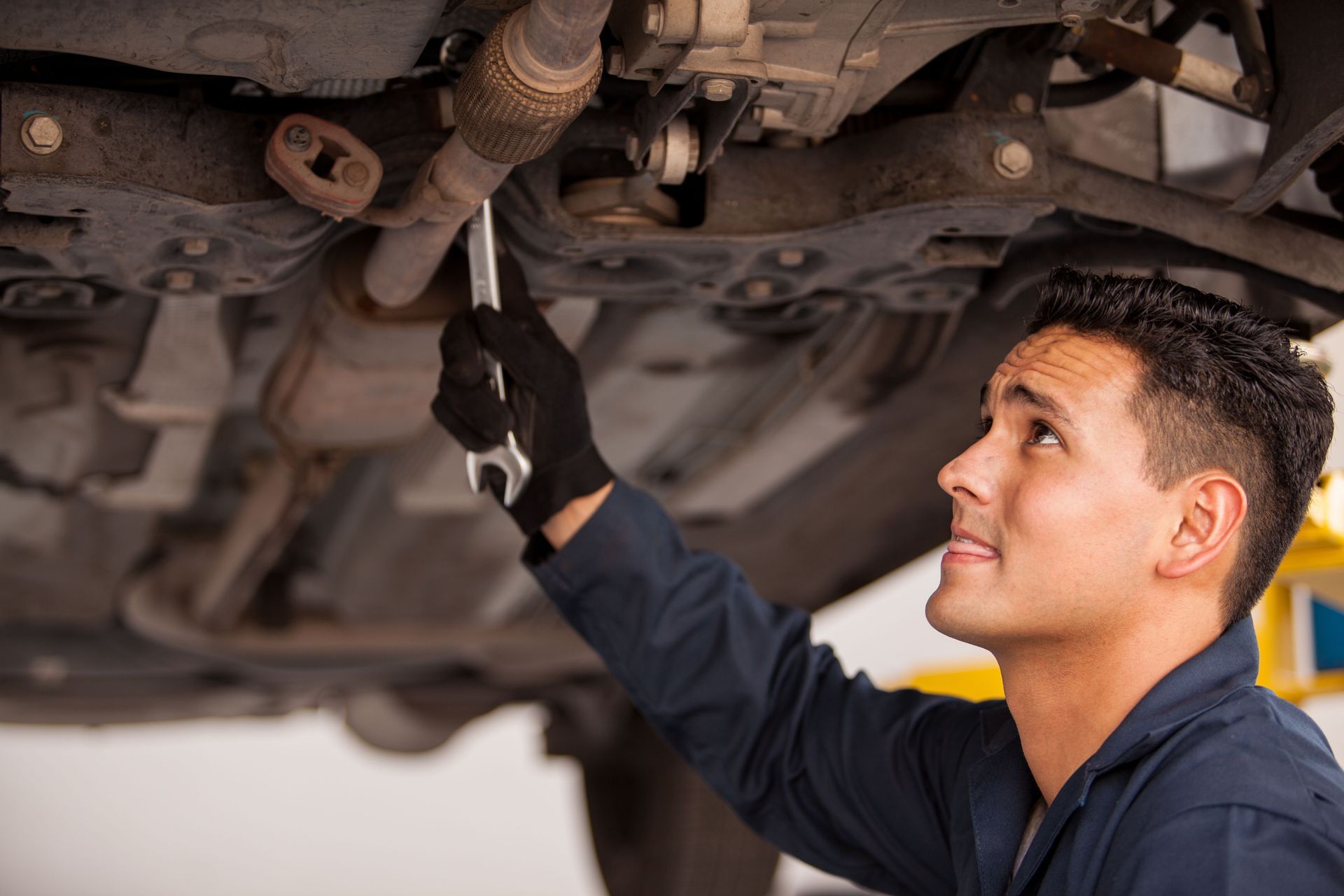
A rattling sound while you drive usually means a metal or plastic part has come loose somewhere on your vehicle. One of the most common culprits is the exhaust system, where worn rubber hangers or loose metal clamps let pipes shake against the bottom of the car. Heat shields under the hood or above the exhaust pipe can also rust and loosen over time, creating a sharp metallic rattle whenever you drive over rough pavement.
While a loose heat shield is often a quick and affordable fix, some rattles point to bigger trouble. A rattling noise coming from inside the catalytic converter can mean the internal parts are breaking apart, which hurts engine power and causes your car to fail emissions tests. Scheduling prompt auto repair services lets a mechanic lift your car safely, tighten loose brackets, and replace worn parts before anything falls off in heavy traffic or damages nearby parts.
Checking Squealing Noises From Belts and Brakes
A high-pitched squealing or screeching sound right when you start your engine or press the gas pedal often points to a worn serpentine belt. This long rubber belt powers key parts like your alternator, water pump, and power steering system. Over time, rubber stretches, glazes over, or cracks, causing the belt to slip on its pulleys and make a loud squeal, especially on cold, wet, or damp mornings.
If you only hear a high-pitched squeal when you step on the brake pedal, your brake pads are likely getting thin. Most brake pads have a tiny metal wear indicator built in that scrapes against the brake rotor to warn you before the pad material runs out completely. Getting auto repair services as soon as you hear brake squealing protects your rotors from deep grooves and keeps your stopping power strong in all weather conditions.
Addressing Grinding Noises From Worn Parts
A harsh grinding noise when you press the brakes is an urgent warning sign that should never be ignored. Grinding means your brake pads have worn all the way down, leaving bare metal rubbing directly against the metal brake rotor. This metal-on-metal friction damages expensive brake parts fast and makes it much harder for your car to stop safely in an emergency on a wet or busy street.
Grinding sounds can also come from worn wheel bearings or a failing transmission. If you hear a low, rhythmic grinding or humming noise that gets louder when you turn the steering wheel, a wheel bearing may be losing its lubrication. Grinding when shifting gears points to clutch or transmission wear, so booking auto repair services right away helps prevent sudden breakdowns and major mechanical damage and expensive roadside towing.
Fixing Clunking on Bumps and Turns
A heavy clunking or knocking sound when you drive over speed bumps, potholes, or uneven driveways usually comes from your suspension or steering system. Parts like ball joints, tie rods, control arm bushings, and sway bar links cushion your ride and keep your tires pointed straight. As these rubber and metal joints wear out, extra space forms between them, causing a solid clunk every time the wheels move up and down.
Worn engine mounts or loose exhaust hangers can also create a dull thud when you accelerate from a stop or shift into reverse. Because your suspension and steering parts directly control how your car handles on the road, loose joints can make steering feel sloppy or cause uneven tire wear. Having a technician inspect these parts during routine auto repair services keeps your ride comfortable, stable, and safe around every corner.
Stopping Hissing Noises Under the Hood
A steady hissing or sizzling sound coming from under the hood after you park often means liquid is leaking onto hot engine parts. In many cases, a cracked radiator hose, loose clamp, or worn water pump seal is letting hot coolant escape under pressure. Losing coolant can cause your engine to overheat quickly, which can warp metal parts and lead to severe engine damage if you keep driving without stopping to cool down.
Hissing sounds while the engine is running can also point to a vacuum leak or escaping air conditioning refrigerant. Cracked rubber vacuum hoses let extra air sneak into the engine, causing rough idling, poor gas mileage, or an illuminated check engine light. A skilled mechanic can test hoses, seals, and cooling lines during auto repair services to stop leaks before they ruin your daily drive or leave your cabin uncomfortable.
Resolving Knocking Sounds Inside the Engine
A rhythmic tapping, pinging, or knocking sound coming from deep inside the engine deserves immediate attention. Mild pinging when you climb a steep hill can sometimes happen if you use gas with a lower octane rating than your owner’s manual recommends, or if carbon buildup is affecting how fuel burns inside the cylinders. Switching to the right fuel grade or having a technician clean fuel injectors often clears up light pinging and restore smooth engine power.
However, a deep, heavy knocking sound that gets faster as you press the gas pedal can signal low engine oil or worn internal bearings. Running an engine without enough clean oil creates intense heat and friction that can ruin the motor. According to Bankrate, vehicle maintenance is generally recommended every 5,000 miles. Sticking to regular oil changes and checkups is the easiest way to keep internal parts lubricated and avoid costly engine repairs down the road.
Scheduling Dependable Auto Repair Services
Every rattle, squeal, grind, or clunk is your car’s way of asking for help before a small issue becomes a major repair. Paying attention to where the sound comes from and when it happens gives your mechanic helpful clues to pinpoint the problem fast. Combining attentive driving with routine checkups keeps your car safe, quiet, and reliable on every short errand and long highway trip.
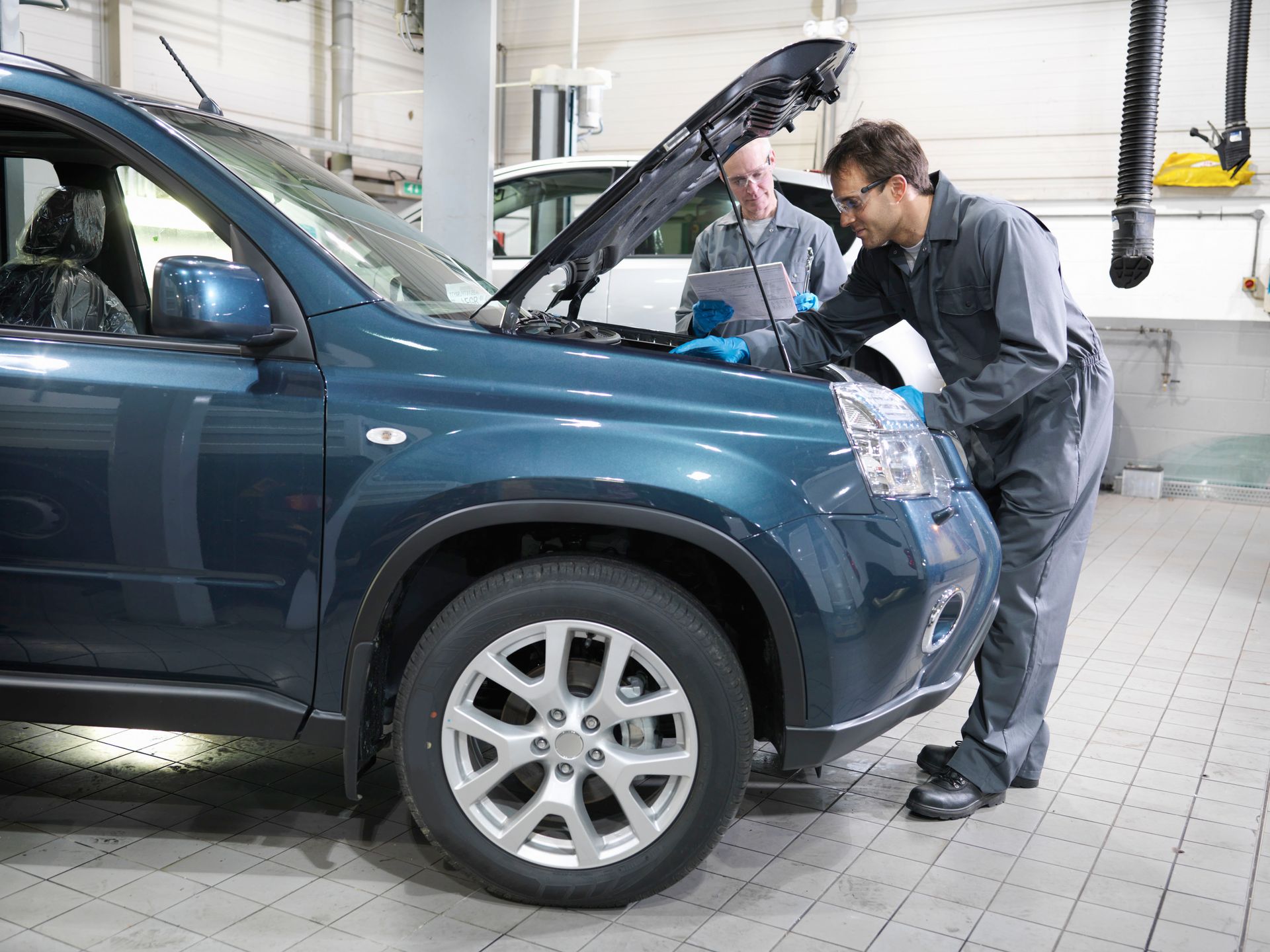
When strange noises start coming from under your hood or beneath your tires, reach out to South Bay Car Care for honest, thorough auto repair services you can count on. Their friendly, experienced technicians will inspect your vehicle carefully, explain what is causing the noise in plain language, and fix the issue right the first time. Schedule your visit today to restore quiet, worry-free driving for you and your family. With skilled mechanics on your side, you can feel confident that your car is safe, dependable, and ready for the road ahead.